

Interview with co-director David Felix Sutcliffe about new documentary (T)ERROR
Muftah interviews David Felix Sutcliffe about (T)ERROR’s improbable production, the complex story it captures, and the financial obstacles that could prevent it from reaching a wider audience.
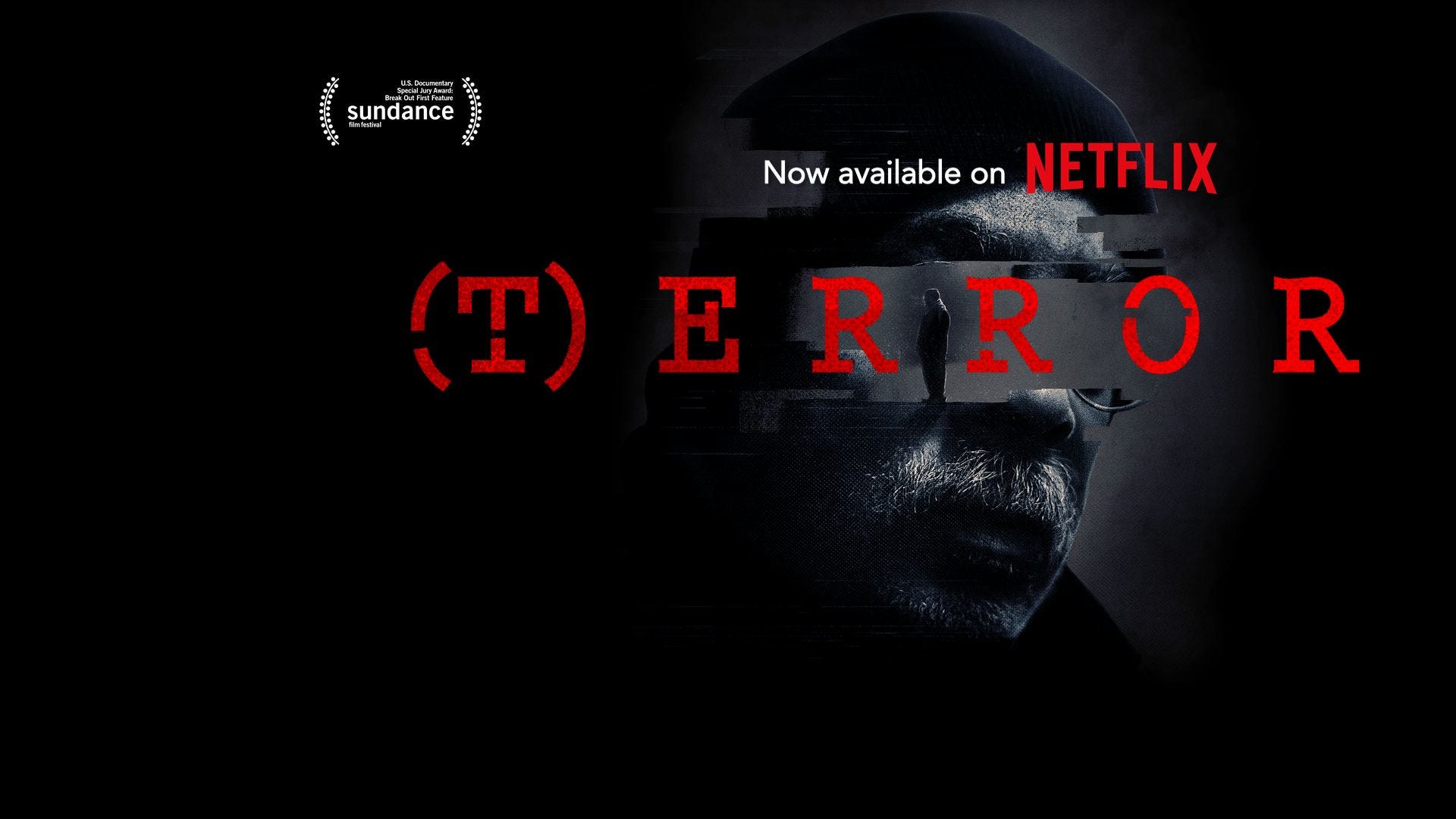
(T)ERROR is the first film to document an active FBI terror sting. It is also the first to document the government’s use of informants against the American Muslim community, in real-time. (T)ERROR follows “Saeed,” an informant on the FBI payroll, as he works with the agency to try and develop a case against Khalifah Ali Al-Akili, a white convert to Islam with a penchant for provocative Facebook postings.
Since September 11th, informants have been used in nearly fifty percent of terrorism prosecutions in the United States, prompting Prof. Wadie Said, an expert on the topic, to describe the situation as one in which the government “creates the threat it subsequently thwarts and prosecutes.” While (T)ERROR is extraordinary for capturing this phenomenon, what it shows is disturbingly common and standard FBI practice.
Co-directors, Lyric Cabral and David Felix Sutcliffe, began production on the film in 2011 and screened (T)ERROR at various film festivals this year. Already, their documentary has received high praise, including winning the Grand Jury Prize at the Full Frame Documentary Film Festival.
Because of its expose on the government, (T)ERROR faces unprecedented legal and insurance costs that threaten its broader public release. To help ensure (T)ERROR’s future survival, a Kickstarter campaign is running until September 3 to help cover the costs of confronting one of the FBI’s most disturbing, systemic practices.
We spoke to David Felix Sutcliffe about (T)ERROR’s improbable production, the complex story it captures, and the financial obstacles that could prevent it from reaching a wider audience.
