

Prospects of the Metamodern
What elements of postmodernism should we preserve, and what must we discard? What defines the metamodern—what it is and what it is not—and why does it matter?
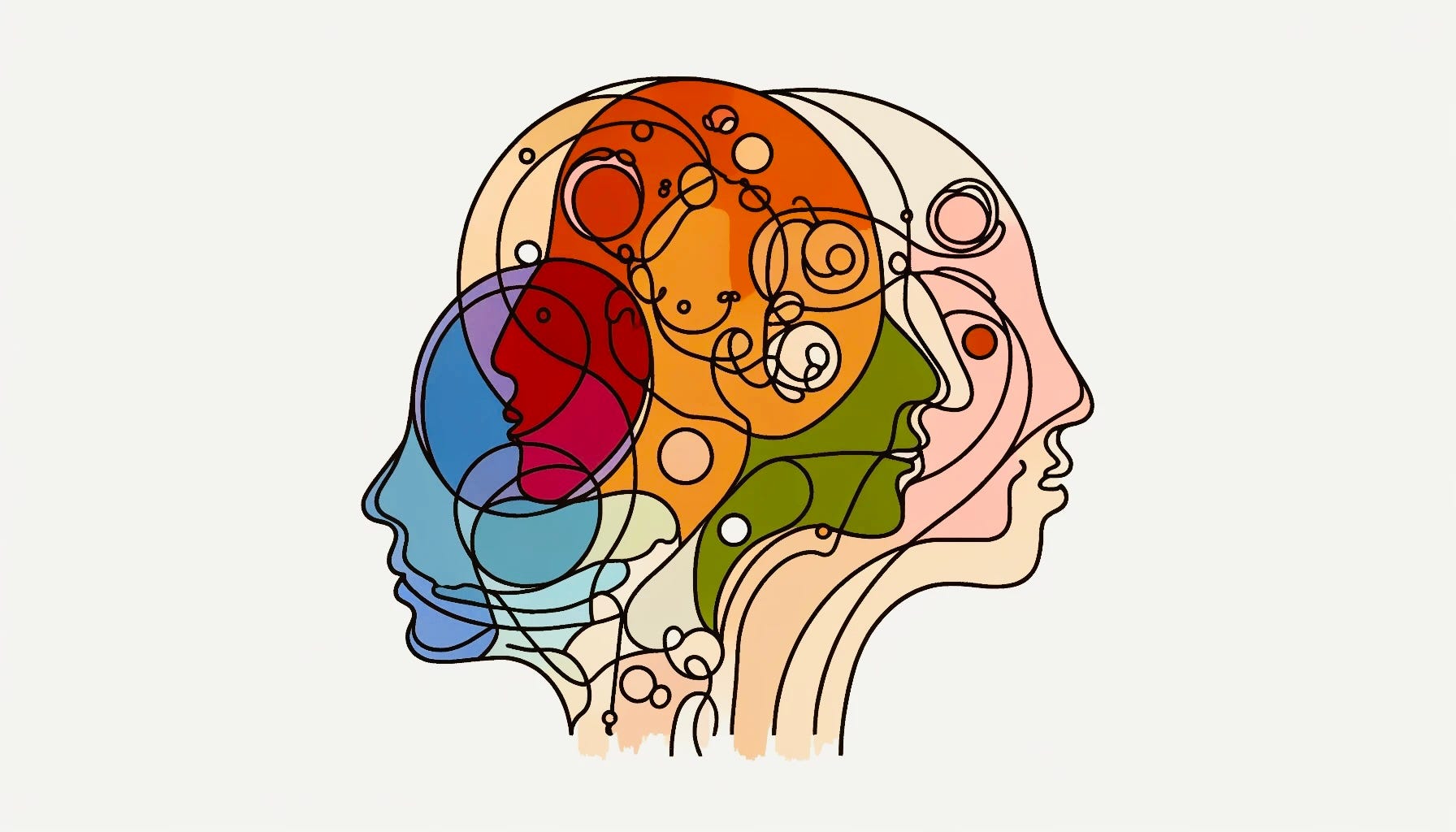
by Jason Ānanda Josephson Storm
Around 580 CE, Cassiodorus, a former Roman statesman turned Christian monk, authored an influential grammar, De Orthographia. Written while Cassiodorus was already in his nineties, the work aimed to integrate ancient traditions into what he termed “modern culture,” while deliberately discarding what was no longer relevant. Through his writings, he popularized a groundbreaking term: “modernus,” or modern, derived from “hodiernus” (meaning “of today”), which he inflected with an opposition between the past of antiquity and modern developments. Cassiodorus was on the cusp of what would unfold as the European Middle Ages (indeed, our core vocabulary of “modernity” is medieval). The transformations he witnessed were part of the shift from “pagan” antiquity to Christianity, imperial Rome to feudalism. Yet, it would take nearly a millennium for “modernity” to emerge as the defining term for an era.
In a similar vein, I—as a historian and philosopher—have been on a quest, like Cassiodorus, to consolidate the contributions of the past intellectual epoch while exploring the potentialities of the forthcoming one.
For over fifty years, much of academia has been ensnared by a paradigm that, while once revolutionary, has increasingly shown its limitations. This dominant framework, known as “postmodernism,” is now undergoing a profound transformation. As the foundations of anti-foundationalism begin to crumble, we may stand on the precipice of a new intellectual epoch. Emerging from the rubble is metamodernism, a paradigm that aims to reshape our intellectual landscape. This essay describes how the dissolution of postmodernism could herald the emergence of a significantly new paradigm. Are we on the cusp of an intellectual phase transition? What elements of postmodernism should we preserve, and what must we discard? What defines the metamodern—what it is and what it is not—and why does it matter?
