

Understanding Afghan Refugee Repatriation in Pakistan
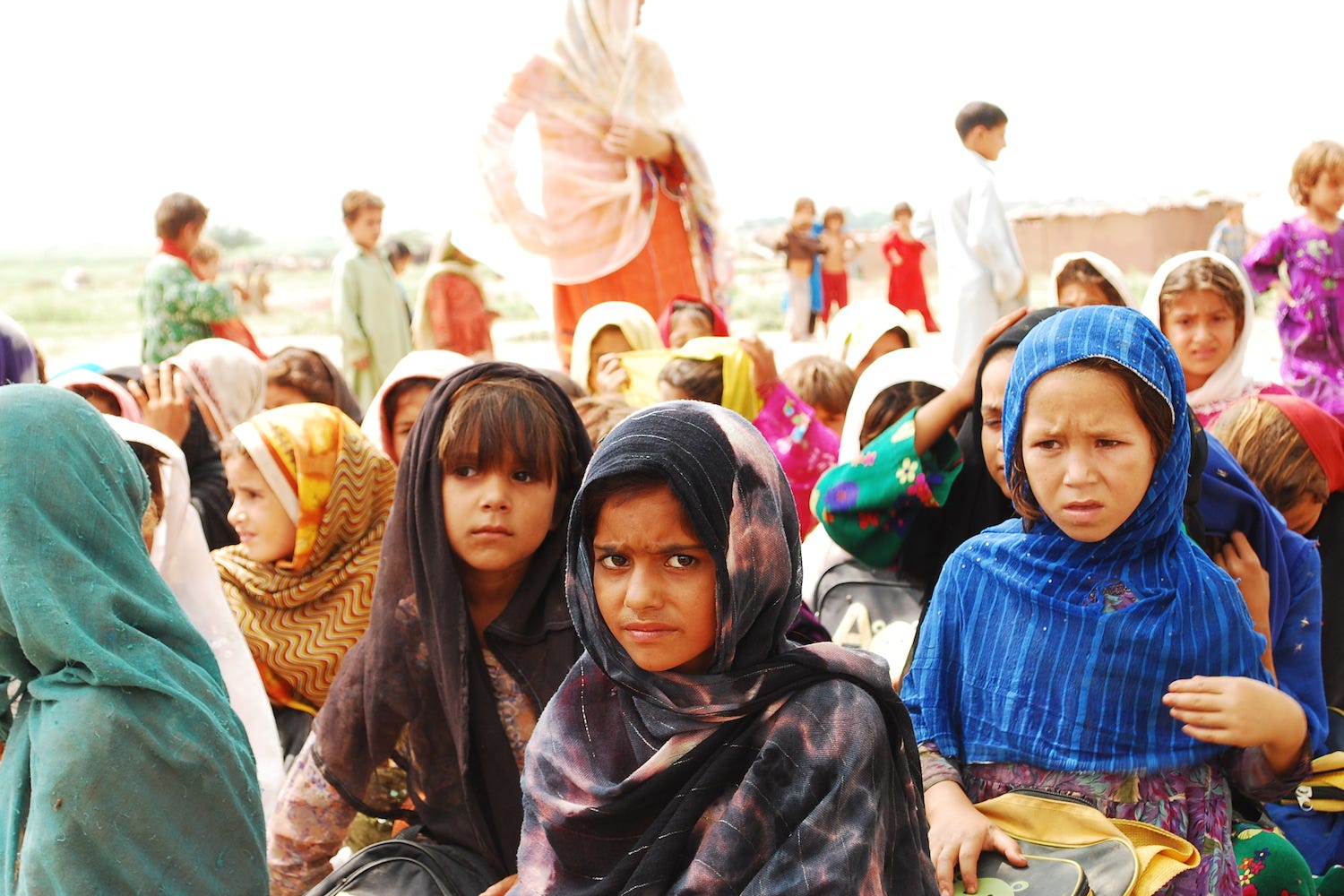
Fearing returning to a country still gripped by conflict, Afghan refugees in Pakistan, under pressure to repatriate, have, instead, embarked on journeys to Europe, North America, and Australia.
by Sanaa Alimia
Pakistan hosts one of the largest refugee populations in the world — including approximately one and a half million documented Afghans. An estimated one million additional Afghan refugees remain undocumented. In the decades following the Soviet Union’s invasion of Afghanistan in the 1970s, Pakistan played host to millions of Afghans seeking asylum. As a result, a vast majority of Afghan refugees in Pakistan were born in the country or have been living in Pakistan for decades.
Nonetheless, following the September 11 attacks, Pakistan’s government and mainstream media have jointly propagated a narrative that equates Afghans with terrorism. These days, many Afghan refugees have found themselves under constant suspicion, and many have reported instances of mistreatment and abuse at the hands of Pakistani officials.
Most recently, government efforts and policies aimed at encouraging Afghan refugees to repatriate to Afghanistan have intensified. Between 2002 and 2015, 3.9 million refugees have been repatriated to Afghanistan from Pakistan. Fearing to return to a country that remains gripped by conflict, many Afghans have, instead, embarked on the journey toward Europe, North America, and Australia.
